Angel Style Font Review: Elevating Brand Identity and Invitations
I sat at my desk last Tuesday, staring at a half-finished digital mockup for a boutique skincare line. The logo felt flat, the brand identity lacked that signature "handmade" warmth I was aiming for, and the tagline just wasn’t landing. That was when I pulled up Angel Style, a script font that immediately shifted the entire mood of the project. As a web designer who frequently collaborates with small business owners on their visual presence, I’ve tested countless typefaces, but few have this specific blend of elegance and approachability. This review explores how Angel Style performs as a premium font for logos, brands, invitations, taglines, publications, templates, and much more, specifically through the lens of digital product creation and client branding.
Angel Style for Logos and Brand Identity Design
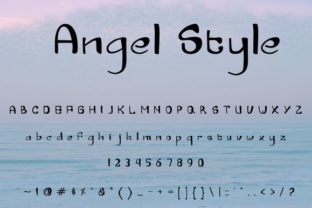
When you first load Angel Style into your design software, the visual personality is unmistakable. It is not merely a decorative element; it is a strong voice for your brand identity. In my recent project for a handmade jewelry client, we used Angel Style to craft the primary logo mark. Because it is a script handwritten typeface, it carries an inherent sense of movement and fluidity that rigid geometric fonts often lack. However, unlike some overly ornate calligraphy scripts that can become illegible at smaller sizes, Angel Style maintains a clean structure that works beautifully for logo design.
The charm of this font lies in its balanced curves and consistent stroke weight, which makes it incredibly versatile for modern typography trends. When applied to a minimalist business card or a sleek website header, it adds a touch of luxury without feeling stuffy. For clients looking to establish a high-end yet accessible aesthetic, Angel Style serves as an excellent creative font choice. It bridges the gap between traditional elegance and contemporary simplicity, ensuring that your brand looks professional whether viewed on a mobile screen or printed on premium stationery.
Angel Style for Wedding Invitations and Stationery Templates
One of the most lucrative niches for digital downloads and print-on-demand services is wedding stationery. I recently designed a full suite of wedding invitations using Angel Style, ranging from the main invitation card to the RSVP details and table numbers. The font’s flowing nature mimics the look of professional hand-lettering, which is highly sought after by couples who want a personalized feel without the exorbitant cost of custom calligraphy.
In this context, Angel Style shines as a display font for headlines and names, while pairing elegantly with a simple sans serif font for body text. This combination ensures readability while maintaining aesthetic harmony. I found that the ligatures and alternates included in the font file allowed me to customize certain letter connections, giving each name a unique flair. Whether you are creating printable PDFs for Etsy sellers or designing physical paper goods, Angel Style provides the emotional appeal necessary to make stationery feel special. It transforms standard text into an artistic statement, enhancing the perceived value of your design assets.
Angel Style for Taglines and Social Media Graphics
Beyond formal documents, Angel Style excels in short-form content where impact is key. I tested the font on various social media graphics for a lifestyle blogger, using it primarily for quotes and promotional banners. Its legibility at larger scales makes it ideal for taglines, where every character needs to be read instantly. The handwritten quality adds a human touch to digital platforms, helping to build a connection with the audience.
For editorial design and blog headers, Angel Style offers a fresh alternative to standard serif or sans serif fonts. It draws the eye and sets a tone of creativity and sophistication. I also experimented with using it for seasonal marketing posts, such as holiday greetings or summer sale announcements. The font’s versatility allows it to adapt to different color palettes and backgrounds, making it a reliable tool for maintaining brand consistency across multiple channels. When paired correctly, it enhances the overall composition, ensuring that your message stands out in a crowded digital landscape.
Angel Style for Publications and Digital Downloads
The description of Angel Style notes its suitability for publications and templates, and my testing confirms its robustness in these areas. I used the font to design a series of digital planners and journal covers. While it is not recommended for long paragraphs due to its decorative nature, it is perfect for chapter titles, section headers, and cover art. The font’s clarity ensures that even intricate details remain visible when scaled down for thumbnail views on marketplaces like Creative Market or Etsy.
For template creators, having a font with multiple weights and styles can significantly expand your product offerings. Angel Style provides enough variation to create distinct hierarchies within a document. I appreciated the inclusion of multilingual support in the font files, which allowed me to create designs for international audiences without worrying about missing characters. This feature is crucial for designers who want to maximize the reach of their digital downloads. By incorporating Angel Style into your template library, you offer users a sophisticated option that elevates their own projects, from resumes to event programs.
Practical Considerations for Commercial Use and Pairing
As with any typeface, successful implementation requires attention to detail. When using Angel Style for commercial products, it is essential to check the licensing agreement to ensure you are covered for selling physical merchandise or digital templates. The font pairs exceptionally well with clean, minimal typefaces. I recommend combining it with a bold display font for contrast or a simple sans serif font for balance. Avoid pairing it with other highly decorative scripts, as this can create visual clutter and reduce readability.
Readability is paramount, especially when designing for small formats like stickers or product labels. While Angel Style is elegant, it may not be suitable for dense label information or technical instructions where clarity is critical. Reserve it for primary messaging, names, and titles. For supporting text, stick to neutral fonts that do not compete for attention. By respecting these boundaries, you can harness the full power of Angel Style to create designs that are both beautiful and functional. Ultimately, this font is a valuable addition to any designer’s toolkit, offering the perfect blend of style and utility for a wide range of creative endeavors.