Segatha Script Handwritten Font for Authentic Branding
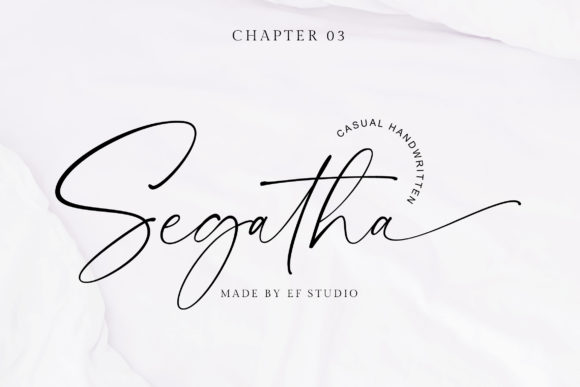
If you are looking to inject personality into your small business identity, Segatha is a Script Handwritten typeface that offers the perfect balance of daring flair and approachable charm. As an entrepreneur who has spent years refining brand visuals across packaging, social media, and print materials, I know that choosing the right Fonts can make or break customer perception. Segatha contains daring and luscious swashes that radiate authenticity, making it an ideal choice for brands that want to feel personal rather than corporate. It’s not just a decorative element; it is a strategic design asset that adds that necessary personal zing to your next design idea, helping you stand out in a crowded marketplace.
Segatha for Boutique Logo Design and Visual Identity
When establishing a brand identity, consistency is key, and Segatha provides a distinctive visual anchor that helps businesses look professional and recognizable. For boutique owners, handmade product sellers, or independent creators, the logo is often the first point of contact with potential customers. Using Segatha as a primary display font allows you to communicate warmth and craftsmanship immediately. The font’s handwritten nature suggests that there is a human behind the brand, which builds trust faster than sterile, geometric sans serif fonts might.
I recommend using Segatha prominently on your logo, especially if your business relies on storytelling or artisanal quality. Whether you are branding a local café, a skincare line, or a coaching service, the luscious swashes of Segatha draw the eye and invite engagement. However, because script fonts can be complex, it is crucial to pair them correctly. Pair Segatha with a clean, simple sans serif font for secondary text like taglines or contact information. This contrast ensures that while your brand name pops with character, your essential details remain legible and easy to read. This combination creates a modern typography style that feels both curated and accessible.
Enhancing Packaging Design and Product Labels with Segatha
For online sellers and physical product creators, packaging is a powerful marketing tool. Segatha transforms ordinary boxes and jars into memorable unboxing experiences. Imagine a set of handmade candles or organic soaps where the label features Segatha in elegant white ink against a matte black background. The daring swashes add a layer of luxury and care that tells the customer this product was made with attention to detail. In the world of e-commerce, where customers cannot touch the product before buying, these visual cues are vital for conversion.
When designing product labels, consider the scale. Segatha works beautifully as a headline on larger packaging, but you must test its readability on smaller items like jewelry tags or sticker seals. If the text becomes too intricate at tiny sizes, use Segatha for the brand name only and rely on a highly readable serif font or sans serif font for ingredients, weights, and instructions. This approach maintains the aesthetic appeal of Segatha without sacrificing clarity. Many successful small businesses have found that using a creative font like Segatha on their primary packaging increases perceived value, allowing them to justify premium pricing points.
Segatha for Social Media Graphics and Digital Ads
In the digital space, grabbing attention within seconds is essential. Segatha excels in social media graphics, Instagram posts, and Pinterest pins where visual hierarchy determines whether a user stops scrolling. Use Segatha for bold headlines on quote cards, promotional banners, or event announcements. The font’s expressive personality aligns perfectly with content that aims to inspire, educate, or entertain. For instance, a wellness coach might use Segatha for motivational quotes, while a bakery might use it for daily specials or seasonal menu highlights.
To maximize impact, ensure your digital assets maintain high contrast between the Segatha text and the background image. Because Segatha contains intricate details, placing it over busy photos can reduce legibility. Instead, use it over solid color blocks, gradients, or blurred backgrounds. When creating digital ads, such as Facebook or Instagram sponsored posts, lead with Segatha to establish brand voice quickly. Consistency here is critical; if your logo uses Segatha, your social media headers should echo that style. This repetition reinforces brand recognition, ensuring that when users see your font style, they instantly think of your business. Remember to check commercial font licensing before using Segatha in any paid advertising campaigns to avoid legal issues.
Building Trust Through Thank-You Cards and Customer Materials
Customer retention is just as important as acquisition, and thoughtful touches like thank-you cards can significantly boost loyalty. Segatha brings a level of sophistication and personal connection to printed collateral that standard templates lack. A thank-you note written or designed with Segatha feels less like a transaction and more like a gesture from a friend. This emotional connection encourages repeat purchases and positive word-of-mouth referrals.
Beyond thank-you cards, Segatha can elevate other customer-facing materials such as flyers, menus, and business cards. For restaurant owners, a menu header in Segatha sets a welcoming tone, suggesting a relaxed yet refined dining experience. On business cards, use Segatha for your name or title, paired with a minimalist layout for your contact details. This balance shows that you are creative but also organized and professional. By integrating Segatha into these tangible touchpoints, you create a cohesive brand experience that feels trustworthy and established, even if you are a new startup founder.
Practical Tips for Implementing Segatha in Your Business
Before fully committing to Segatha for your entire brand suite, take time to test how it performs across different mediums. Print out samples to check for ink bleed or loss of detail, especially if you are using specialty papers or embossing techniques. Screen testing is equally important; view your designs on mobile devices to ensure the font remains clear on smaller screens. Additionally, explore font pairing options thoroughly. While Segatha shines as a display font, it should generally not be used for long paragraphs of body text due to readability concerns. Reserve it for short phrases, titles, and accents.
Finally, always review the license agreement provided by the font creator. Most premium fonts require specific licenses for commercial use, particularly if you plan to sell products featuring the font on merchandise, templates, or digital downloads. Ensuring you have the correct rights protects your business and respects the designer’s work. By thoughtfully applying Segatha to your branding efforts, you leverage its authentic, daring character to build a business presence that is not only visually striking but also deeply connected to your audience.